
Channelling regatta energy into action on the Mahurangi
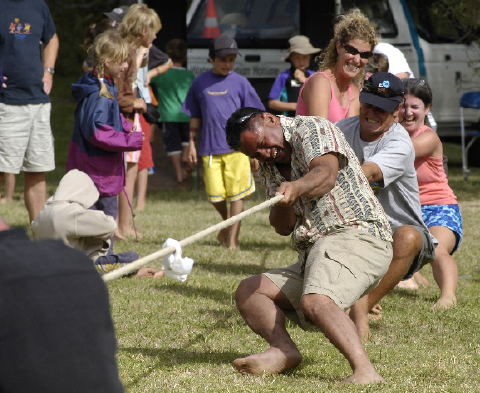
Action Plan Launch: Dating from mid-2004, the Mahurangi Action Plan was launched at the first obvious opportunity—the 2005 Mahurangi Regatta. Strong easterlies forecast led to the shoreside events, and the prize-giving and dance, being held at Scotts Landing rather than at Sullivans Bay as planned. In retrospect, Scotts Landing was always the better venue for the after-match function, given the danger to dinghy loads of revellers of being dumped in the Sullivans Bay surf after dark.
The challenge is to channel some of that regatta energy.
The hundreds who participate in, and the thousands who spectate at, the Mahurangi Regatta overwhelmingly have three things in common: A love for the harbour, a love for the regional park that hosts it, and a love for the regional parks network in its magnificent and ever-expanding entirety.
While it would seem opportune to recruit some of those enthusiasts for the Mahurangi and the regional parks in ongoing actions for their protection and enhancement, evangelising for either cause at the regatta could prove both distasteful and counterproductive. Francesca Jones, during her environmental education role for the former Auckland Regional Council, made the consummately savvy suggestion that rather than set up stalls from which to preach the Mahurangi Action Plan message, that action plan awareness be built into regatta events.
The most obvious opportunity to implement this strategy is the immensely popular sand sculpture competition. With Cyclone Wilma washing out the 2011 event, 2012 is the first opportunity to offer prizes for sculptures with a Mahurangi Action Plan theme. Artist and former regional councillor Christine Rose is the perfect and willing judge for this year’s event:
The idea of judging the sand sculpture entries sounds great—I love sand sculpture. I get all the good jobs—reminds me of when I got to judge a scone-making competition.
Also a former district councillor, Christine Rose has a long association with the Mahurangi and its action plan, and the community-based Kumeū Arts Centre is her second home. The Auckland Council has seeded the prize chest with a pair of $30 book vouchers and it is anticipated that regatta supporters will grow this substantially. In addition to prizes for the place-getters, all participants will receive regatta certificates featuring Philip Kilmore’s painting Mahurangi.
Formed in 2010, Friends of Regional Parks was pivotal in quickly mobilising widespread support for retaining a unified governance structure for the regional parks network. Some local board members had been seeking ‘decision-making and oversight’ of regional parks within their wards. Regarding ‘local’ regional parks as just another local park, could have led to the network being dismembered over time, as local priorities, over time, overwhelmed regional ones.
Although a clear policy is yet to emerge, Mayor Len Brown’s response suggests that while it is likely to reflect a useful role for local boards, a strong, centralised, regional parks governance structure will be retained:
The Auckland Regional Parks are world-renowned as one of the best examples of this type of parkland management. They are highly valued by the people of the Auckland region and are an integral part of Auckland’s identity as one of the most liveable cities in the world. I would therefore not want to see this strength jeopardised.
Friends of Regional Parks will man a table in the small marquee from late morning onward on Saturday, which will give potential supporters—individuals or organisations—an opportunity to register their interest, and otherwise discuss regional park issues.
The society may even be persuaded to kick in some prizes for the sand sculpture competition.